Getting Started with Drones in Canada
Drones have completely changed how we capture the world, offering breathtaking aerial views of Canada’s vast landscapes, from the rugged rocky mountains to bustling urban skylines. However, before you unpack your shiny new quadcopter and throttle up, you need to understand that the Canadian sky is shared airspace. In Canada, drones are legally considered aircraft, and that makes you a pilot.
Transport Canada regulates all Remotely Piloted Aircraft Systems (RPAS)—the official legal term for drones. Navigating these aviation regulations can feel overwhelming for a beginner, but it doesn’t have to be. This comprehensive guide will break down exactly what is required to fly a drone in Canada, along with the top five questions every new drone pilot needs answered to stay safe, legal, and clear of hefty fines.
What is Required to Fly a Drone in Canada?
What you need to legally fly a drone in Canada depends entirely on one major factor: the weight of your drone. Transport Canada divides drones into distinct weight classes, and the rules change drastically once you hit a specific threshold.
For small drones weighing between 250 grams and 25 kilograms (which includes popular models like the DJI Air or Mavic series), there are strict legal prerequisites you must complete before your first takeoff:
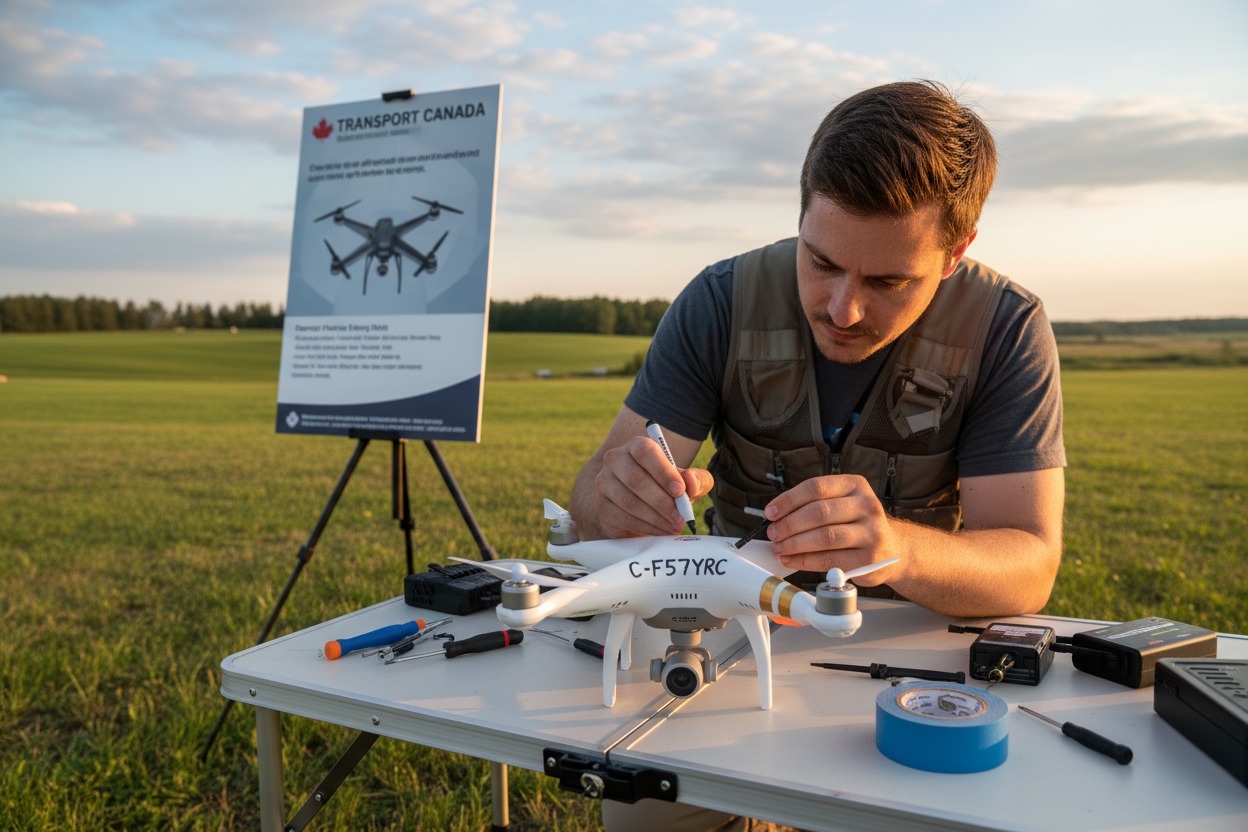
- Drone Registration: You must register your drone with Transport Canada via the online Drone Management Portal. There is a $5 registration fee, and you will receive a unique registration number that must be permanently marked or labeled onto your drone body.
- Pilot Certification: You must take an online exam and earn a Pilot Certificate. For low-risk flights, you need a Basic Operations certificate. For high-risk areas, you need an Advanced Operations certificate.
- Proof of Status: Whenever you are operating your drone, you must carry digital or printed copies of your Pilot Certificate and your Transport Canada drone registration certificate. Law enforcement or Transport Canada inspectors can ask to see these at any time.
If your drone weighs less than 250 grams, it is classified as a “micro-drone” and falls under a completely different, much simpler set of guidelines. Let’s dive deeper into the specific questions new pilots face to clarify how these weight classes and rules work in the real world.
1. Do I Need a Licence for a Micro-Drone Under 250 Grams?
The short answer is no. If your drone weighs between 0 and 249 grams (such as the highly popular DJI Mini series), you do not need a pilot licence, and you do not need to register the drone with Transport Canada.
Because of this massive loophole, micro-drones are the absolute best choice for beginners, hobbyists, and casual travelers. However, “no licence” does not mean “no rules.” Under Canadian Aviation Regulation 900.06, you are strictly prohibited from flying any drone in a reckless or negligent manner that endangers aviation safety or people on the ground.
Even with a micro-drone, you must maintain a direct visual line of sight with your craft, keep it below 400 feet (122 meters) above ground level, and stay out of restricted airspace, emergency response zones, and away from active forest fires. Furthermore, updates to regulations state that you cannot fly a micro-drone over an advertised outdoor event (like a concert or festival) without obtaining a Special Flight Operations Certificate (SFOC).
2. What is the Difference Between Basic and Advanced Operations?
If your drone weighs 250 grams or more, you must determine whether your flight falls under Basic or Advanced operations. This dictates which exam you need to pass.
Basic Operations apply if you meet all of the following criteria:
- You are flying in uncontrolled airspace (away from busy airports and city centers).
- You stay at least 30 meters (100 feet) away horizontally from any bystanders.
- You never fly directly over top of anyone.
To get your Basic Pilot Certificate, you must log into the Drone Management Portal, pay a $10 fee, and pass the Small Basic Exam, which consists of 35 multiple-choice questions with a passing grade of 65%.
Advanced Operations apply if you violate even one of the basic conditions. You are an advanced pilot if you want to fly in controlled airspace, fly within 30 meters of bystanders, or fly directly over people. To secure an Advanced Pilot Certificate, you must pass a tougher 50-question online exam (80% passing grade) and schedule an in-person flight review with an accredited flight school reviewer to demonstrate your hands-on piloting skills.
3. Where Am I Legally Allowed to Fly My Drone in Canada?
You cannot simply fly your drone anywhere you please. Airspace in Canada is carefully divided, and drone pilots must do a “site survey” before taking off to check for hazards and restrictions.
Generally, you can fly on your own private property or in public areas like open fields and rural regions, provided you are in uncontrolled airspace. However, standard rules state you must keep a minimum distance of 5.6 kilometers (3 nautical miles) away from certified airports and military aerodromes, and at least 1.9 kilometers (1 nautical mile) away from heliports.
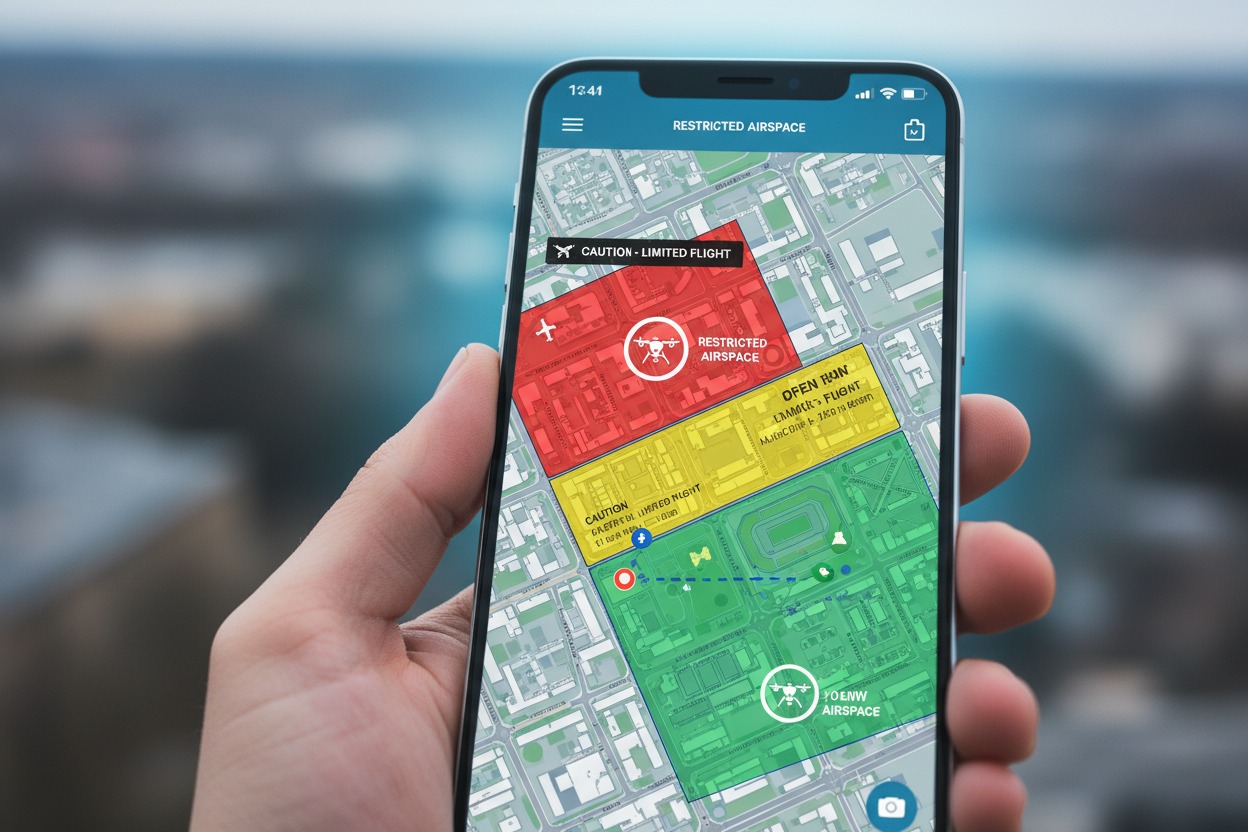
To make this incredibly simple, the National Research Council (NRC) provides a free interactive map called the “Drone Site Selection Tool,” and NAV CANADA offers the mobile “NAV Drone” app. You can pin your exact location on these maps, and they will immediately tell you if the airspace is safe, controlled, or completely restricted.
4. Can I Fly My Drone in Canadian National Parks or Provincial Parks?
This is one of the most common traps for new drone owners. You cannot fly a drone in any Canadian National Park (such as Banff, Jasper, or Algonquin) for recreational purposes.
Parks Canada strictly prohibits the takeoff and landing of drones within national park boundaries to protect wildlife from stress and preserve the peaceful experience of visitors. Flying a drone in a national park without an explicit Parks Canada permit can land you a fine of up to $25,000. Permits are exceptionally rare and typically only granted for commercial filming or scientific research.
Provincial and municipal parks vary by province and city. For instance, Ontario Provincial Parks ban recreational drones under park bylaws, while some municipal parks allow them unless signs are posted. Always look up local city bylaws and provincial regulations before flying in parklands.
5. What Happens If I Violate Transport Canada Drone Laws?
Transport Canada takes airspace safety very seriously. If you choose to ignore the rules, fly dangerously, or operate without the proper paperwork, you can face severe administrative monetary penalties. Fines are broken down based on the specific violation and whether you are flying for fun or operating a business.
For individual recreational pilots, individual fines can include:
- Up to $1,000 for flying a 250g+ drone without a valid Pilot Certificate.
- Up to $1,000 for flying an unregistered or unmarked drone.
- Up to $3,000 for flying in unauthorized or restricted airspace.
- Up to $3,000 for putting other traditional aircraft or people at risk.
If you are operating a corporation or flying commercially, those corporate fines skyrocket dramatically—up to $15,000 for risking safety and up to $25,000 for operating an unregistered craft. Local police forces work closely with Transport Canada and have the authority to intercept operations, issue tickets, and even confiscate your drone hardware if you are operating negligently.
Summary Checklist for Your First Flight
To wrap it up neatly, if your drone is 250 grams or heavier, make sure you cross off these quick steps before heading out the door: create your account on the Transport Canada Drone Management Portal, study the official TP 15263 study guide, pass your 35-question basic online exam, pay your fees, label your drone body clearly with your registration number, check the NAV Drone app to ensure your target location is clear, and enjoy the open skies responsibly!


Leave a Reply
You must be logged in to post a comment.