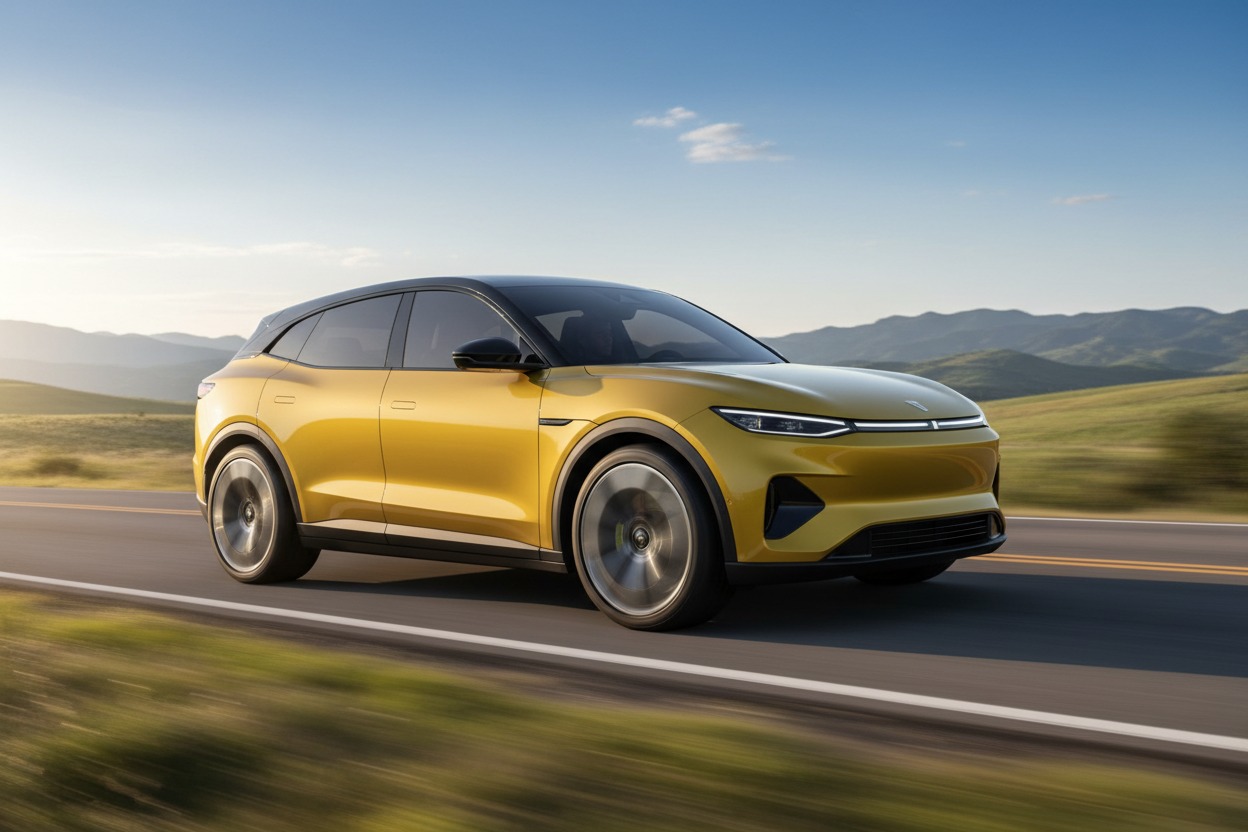
Exploring the realistic, evidence-based benefits and impacts of electric vehicles (EVs) requires a balanced look across cost, climate, and safety, as well as an understanding of how these vehicles interact with the broader energy and transportation ecosystem.
From lower operating and maintenance costs over time to measurable reductions in greenhouse gas emissions, EVs are often positioned as a key component of the transition to sustainable mobility. At the same time, advances in battery technology, vehicle design, and driver-assistance systems are reshaping safety expectations on the road. However, the true value of EV adoption extends beyond the vehicles themselves—encompassing charging infrastructure, grid capacity, renewable energy integration, and supply chain considerations. Evaluating EVs holistically allows for a clearer perspective on both their proven advantages and the challenges that must be addressed to maximize their long-term impact.
FAQ: Electric Vehicles—Real-World Tradeoffs, Impacts & Future Direction
1. Are EVs truly better for the environment when you include mining and manufacturing?
EVs are not impact-free. Mining materials like lithium, cobalt, and nickel can have significant environmental and social consequences, sometimes comparable to or worse than fossil fuel extraction in specific regions. However, over their full lifecycle, EVs still typically produce fewer emissions than gas vehicles. The industry is actively working to reduce these impacts through improved mining standards, recycling, and alternative battery chemistries that use fewer or more abundant materials.
2. If much of the electricity still comes from fossil fuels, do EVs really reduce emissions?
In many regions, electricity generation still relies partly on fossil fuels, which reduces the immediate emissions advantage of EVs. That said, EVs are generally more energy-efficient than gas vehicles, and as grids transition toward renewable energy, the same EV becomes cleaner over time—something internal combustion vehicles cannot achieve.
3. How significant are the hidden environmental costs of EV infrastructure?
Building charging networks, upgrading power grids, and scaling battery production all require energy and materials, which carry their own environmental footprint. These “hidden costs” are real, but they are largely upfront investments in a system designed to become cleaner over time, especially as renewable energy and circular manufacturing processes expand.
4. Are there safer or more sustainable technologies being developed?
Yes. New battery technologies—such as solid-state batteries, lithium iron phosphate (LFP), and sodium-ion—aim to reduce reliance on scarce or hazardous materials while improving safety and performance. At the same time, advancements in battery recycling and second-life applications are helping reduce waste and resource demand.
5. What is the long-term plan for making EVs truly sustainable?
The long-term vision involves aligning EV adoption with cleaner energy grids, better battery materials, and more efficient supply chains. This includes scaling renewable energy, improving battery recycling systems, reducing reliance on high-impact materials, and integrating EVs into smart grids. While today’s system is imperfect, the trajectory is toward a more sustainable and lower-impact transportation ecosystem.
If you want, I can tighten this into a more critical/opinionated tone or tailor it to a specific audience (e.g., business, policy, consumer).
Leave a Reply
You must be logged in to post a comment.