 By Dave's Desk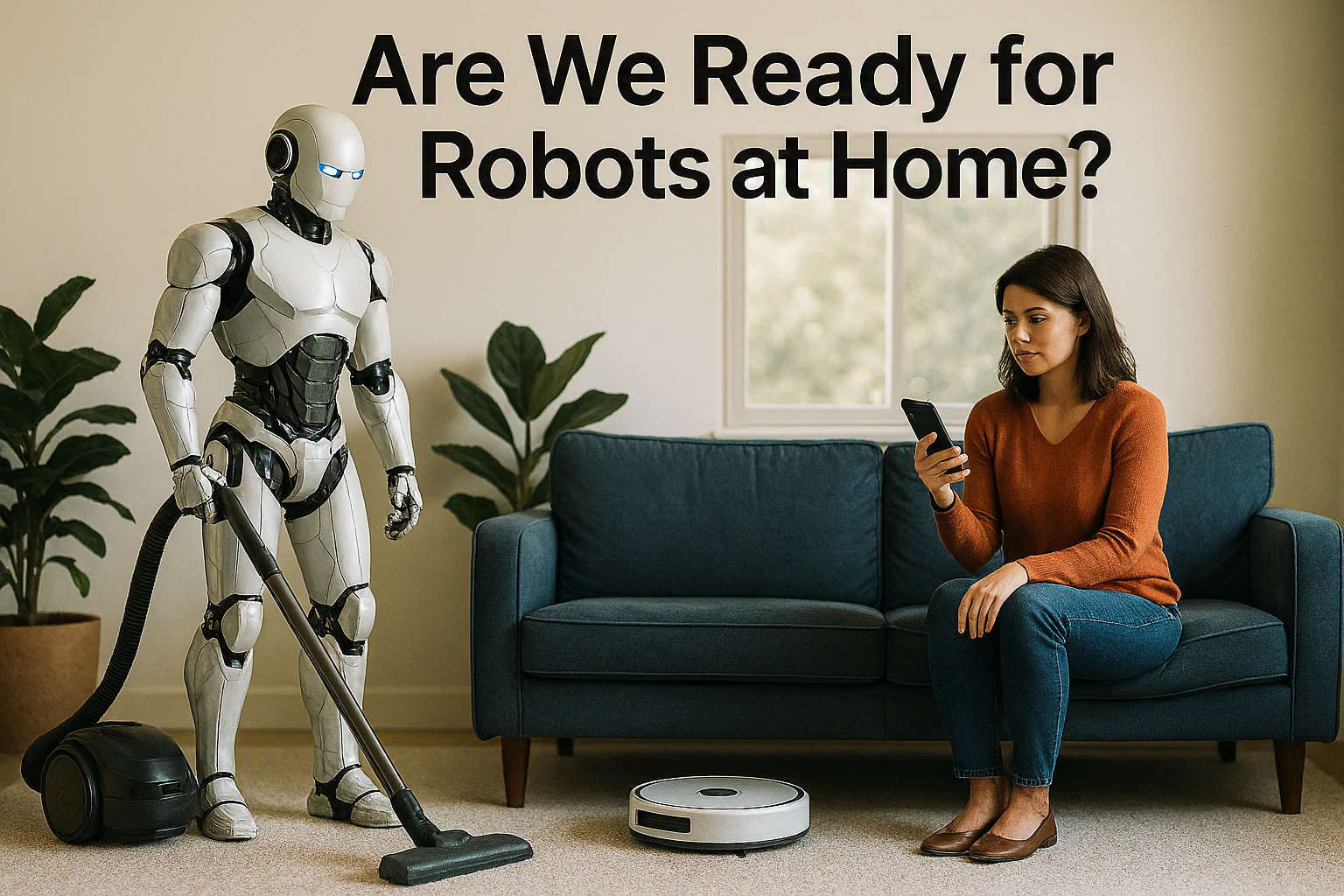
The concept of having a mechanical assistant tending to our daily chores has moved from the pages of science fiction into our current reality. As we ask, are we ready for robots at home, we must evaluate both the technological capabilities available today and the social adjustments required to integrate these machines into our private lives. Domestic automation is no longer just about robotic vacuums; it is evolving into complex systems capable of physical interaction and advanced decision-making.
The Evolution of Domestic Automation
For decades, household technology was limited to static appliances like washing machines and dishwashers. The modern shift toward true domestic automation represents a departure from simple mechanical cycles to intelligent, sensor-driven behavior. Today’s robots are equipped with LiDAR mapping, computer vision, and machine learning algorithms that allow them to navigate unpredictable human environments.
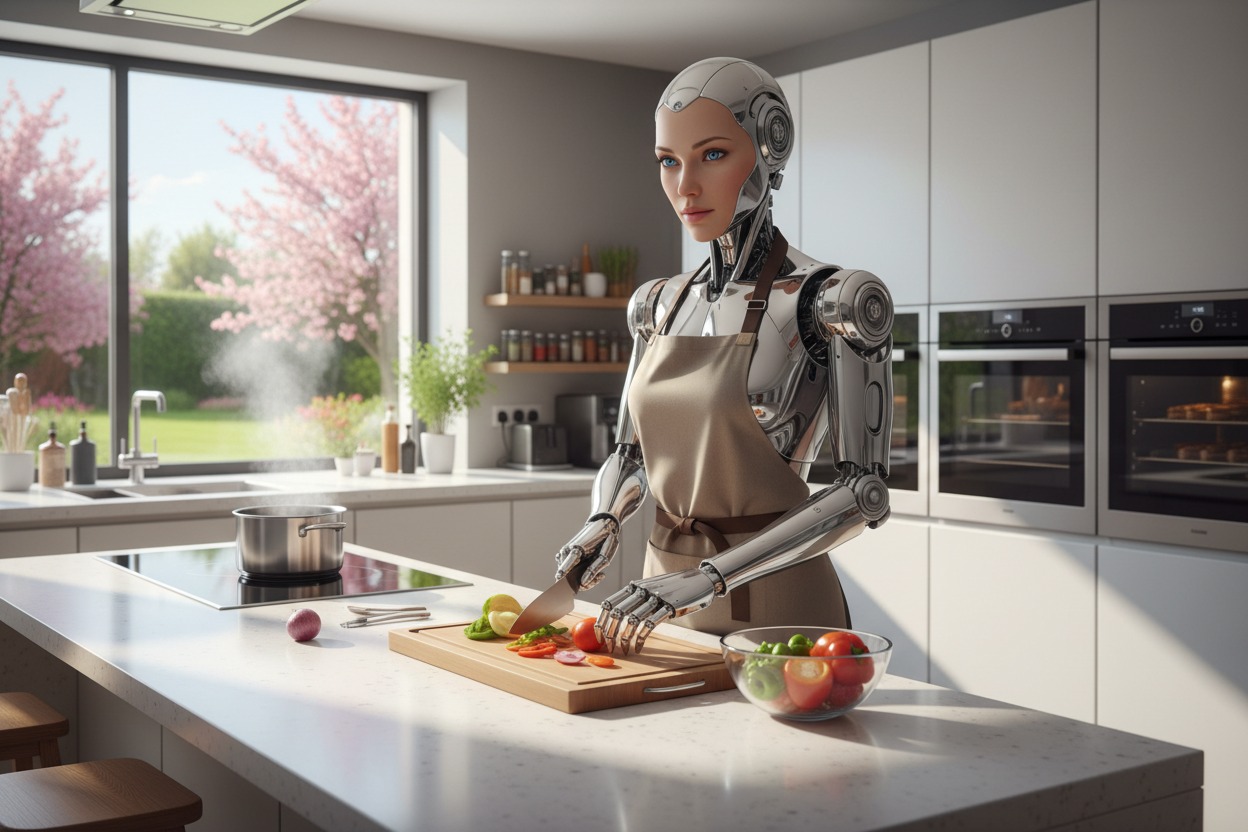
However, the question remains whether the average homeowner is prepared for the security and maintenance demands of such systems. Integrating a mobile robot means granting it access to the most private areas of your residence. Manufacturers are currently focused on two key areas to address these concerns:
- Privacy-First Processing: Moving data processing from the cloud to local, on-device hardware.
- Safety Protocols: Developing redundant sensor arrays that detect pets, children, and fragile objects in real-time.
Technical Readiness and Connectivity
One of the primary pillars of this transition is robust network connectivity. A home robot is essentially an IoT device on wheels, requiring constant communication with smart home ecosystems to function optimally. If you are considering adding these systems to your household, your local Wi-Fi infrastructure must be upgraded to support low-latency communication. Effective integration with lighting, security cameras, and smart locks ensures the robot operates as a seamless part of the environment rather than an isolated gadget